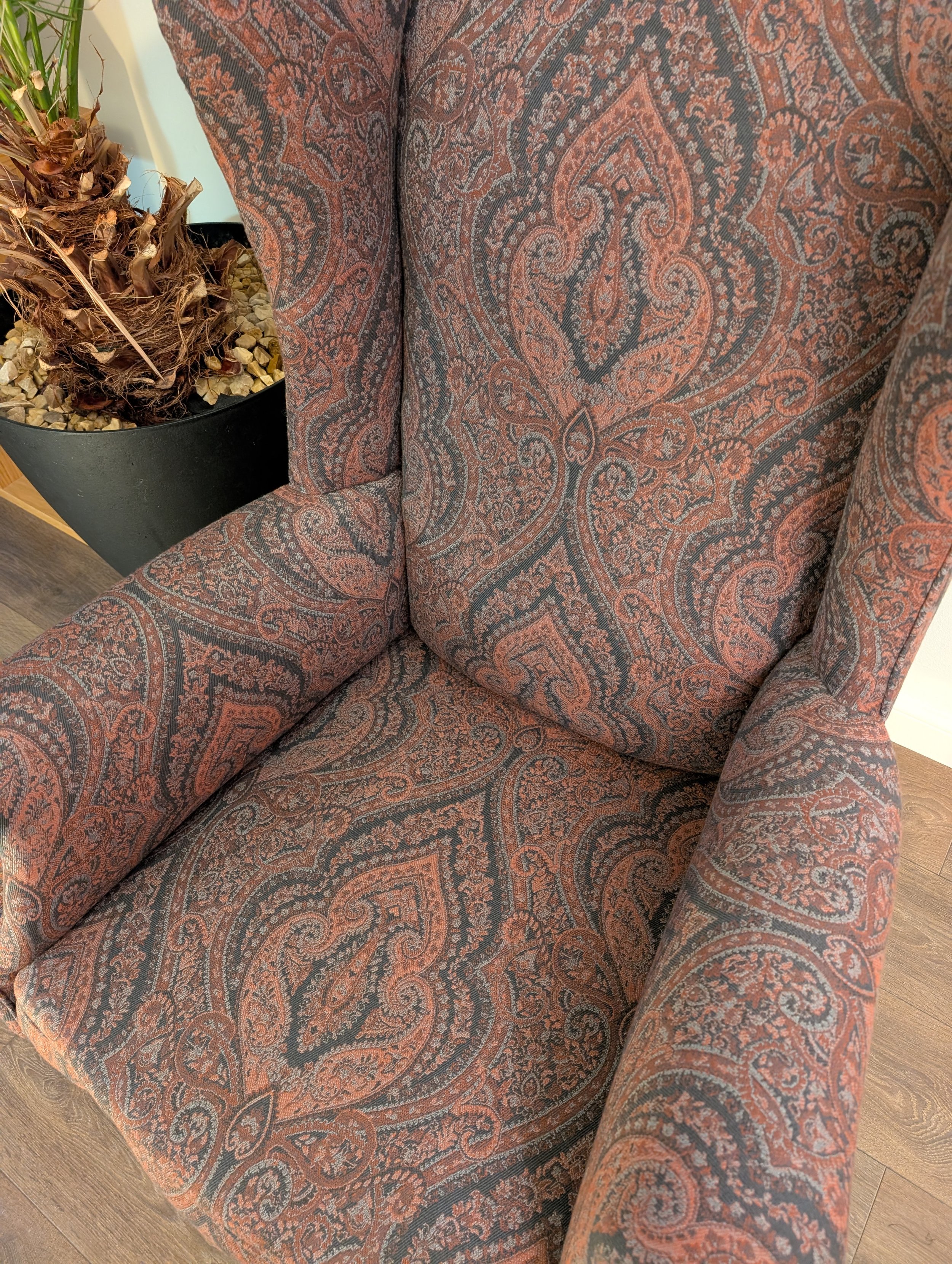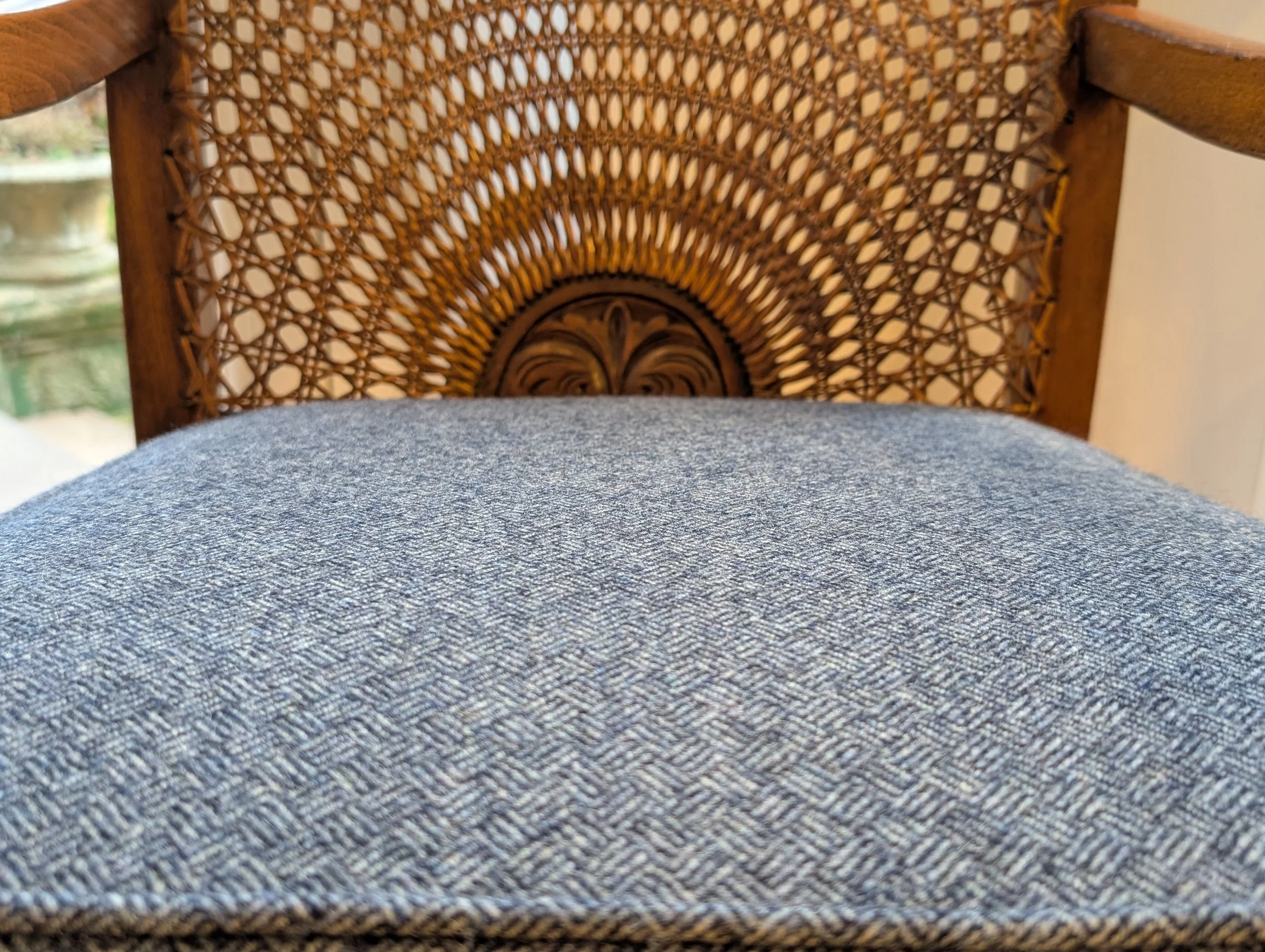
we can guide you through each step to bring your cherished Furniture back to life
we can help you with…
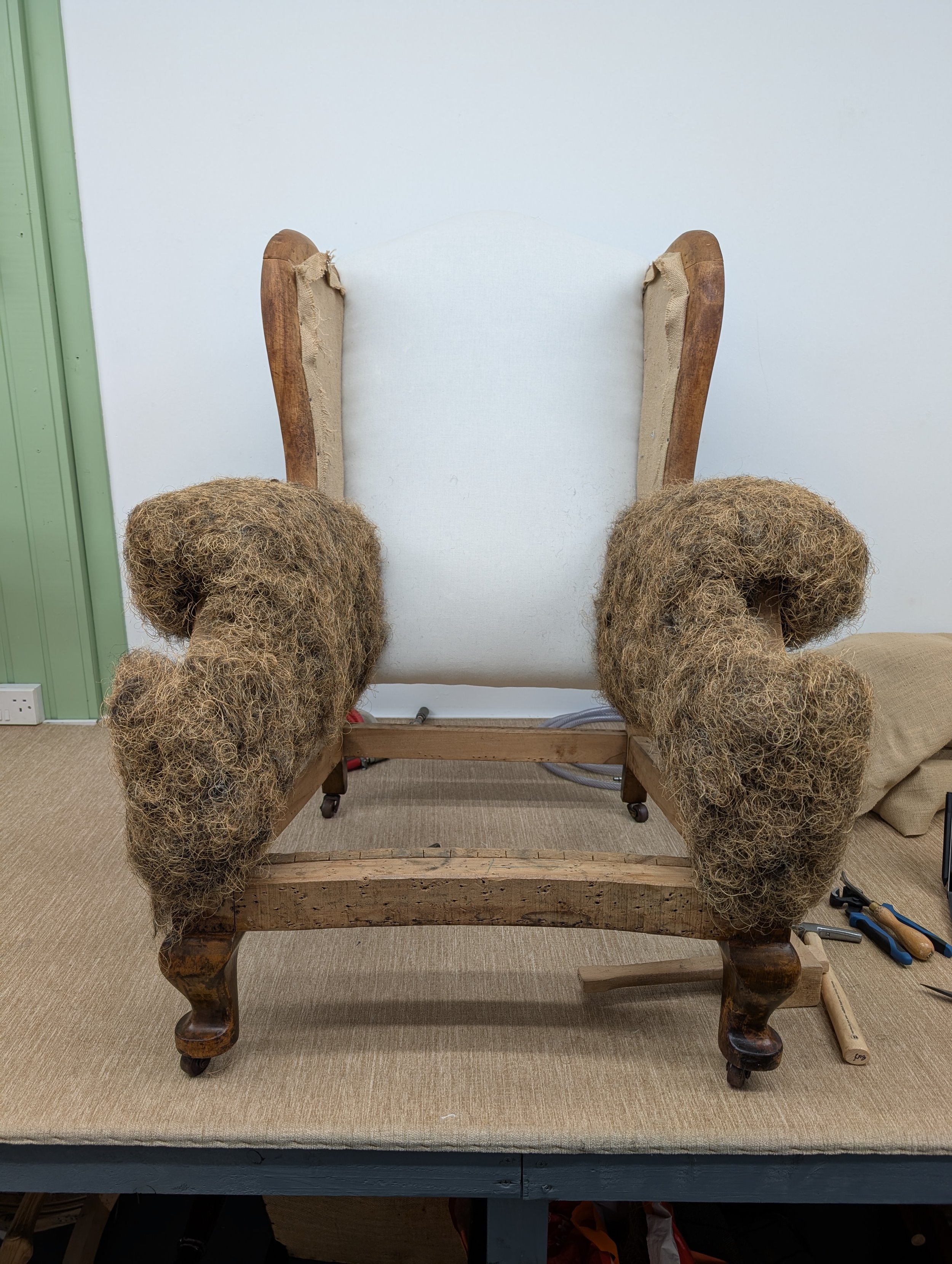
Traditional upholstery
Technically, traditional furniture covers furniture through the ages up to the middle of the 20th Century from Elizabethan (& Renaissance) ages through to Victorian and Edwardian periods.
The materials throughout this time were generally natural fibres such as horse hair stuffing, jute webbing and hessian fabrics and are all readily available today.
To keep the cost down for our clients and minimise waste, we aim to re-use as much as the original crafted upholstery as possible and have developed a number of skills and techniques in order to achieve this. If the piece is in particularly poor condition, we are also able to strip pieces back to the frame and rebuild from scratch.
modern upholstery
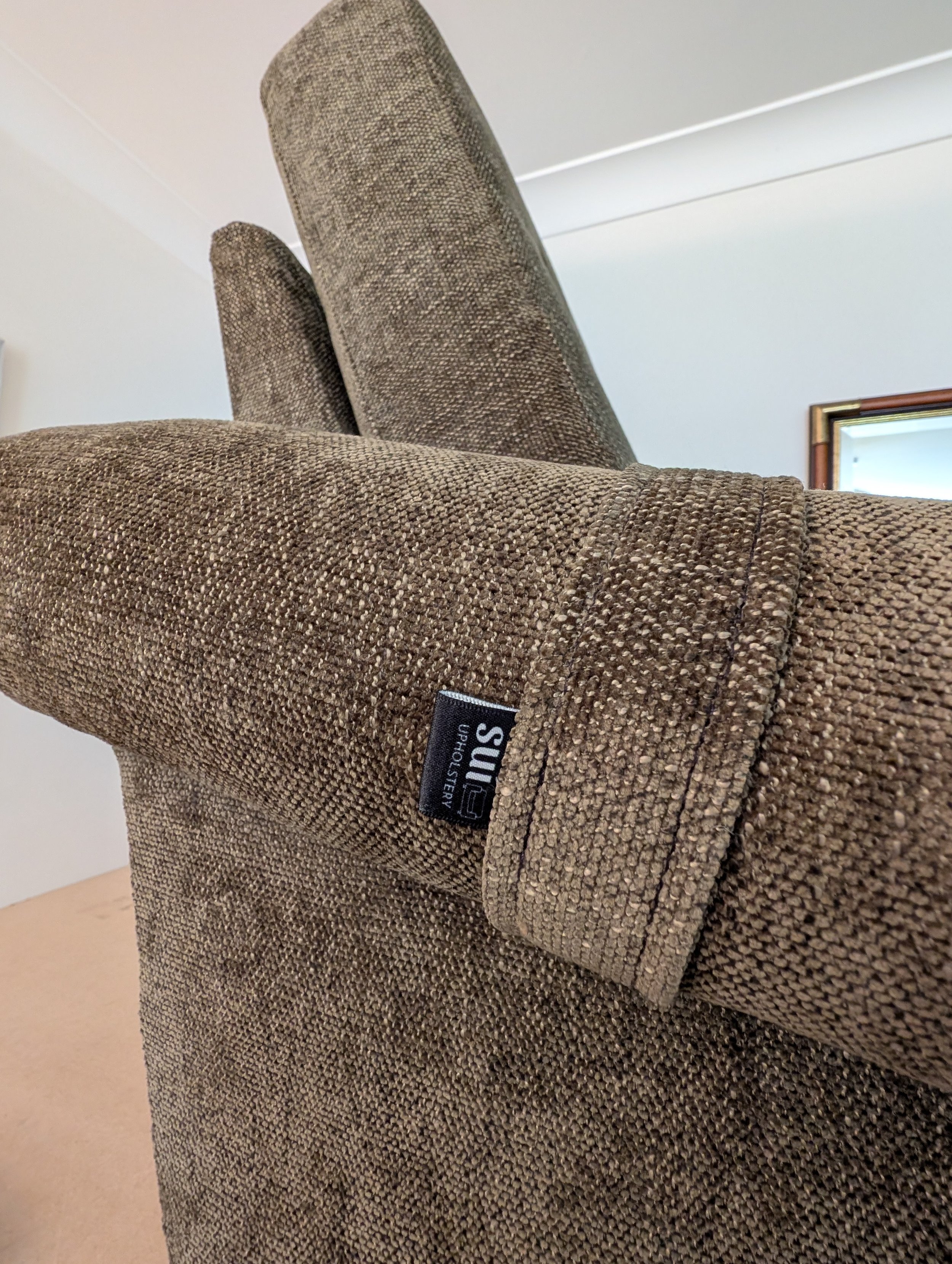
The 20th Century brought a diverse range of technological advances both in terms of materials and techniques. ‘Reverse engineering’ is the key here when navigating the re-upholstery of modern furniture!
When it comes to synthetic materials, this legacy does bring with it a stark environmental reckoning. At Suí Upholstery, we aim to treat sustainability as an obligation by not only encouraging the revival of modern pieces furniture that are often designed to be throw-away, but also to use natural materials as much as possible.
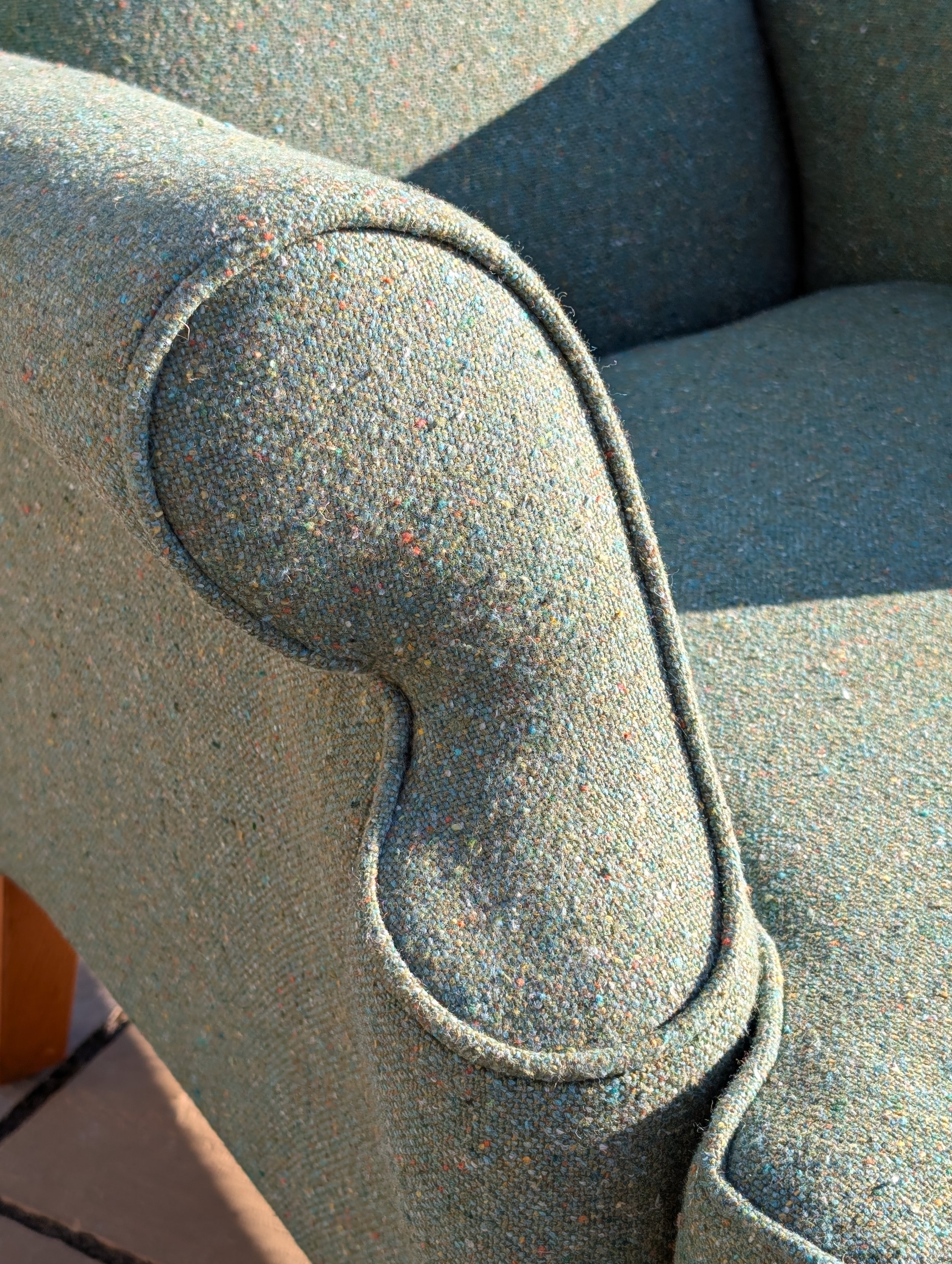
fabric choice
Fabric is one of the core pillars of upholstery. Not only does it define the aesthetic, comfort and tactile appeal of a piece of furniture, but also ensures its longevity and functionality.
If you are unsure of what fabric to choose, Sui Upholstery offers a free 20 minute customer consultation on fabric choice specific to the furniture piece(s) they wish to reupholster. The following 5 basic questions are designed to get a quick understanding of why the customer wishes to go down the path of reupholstering so that it can help inform budget, design and fabric decisions.
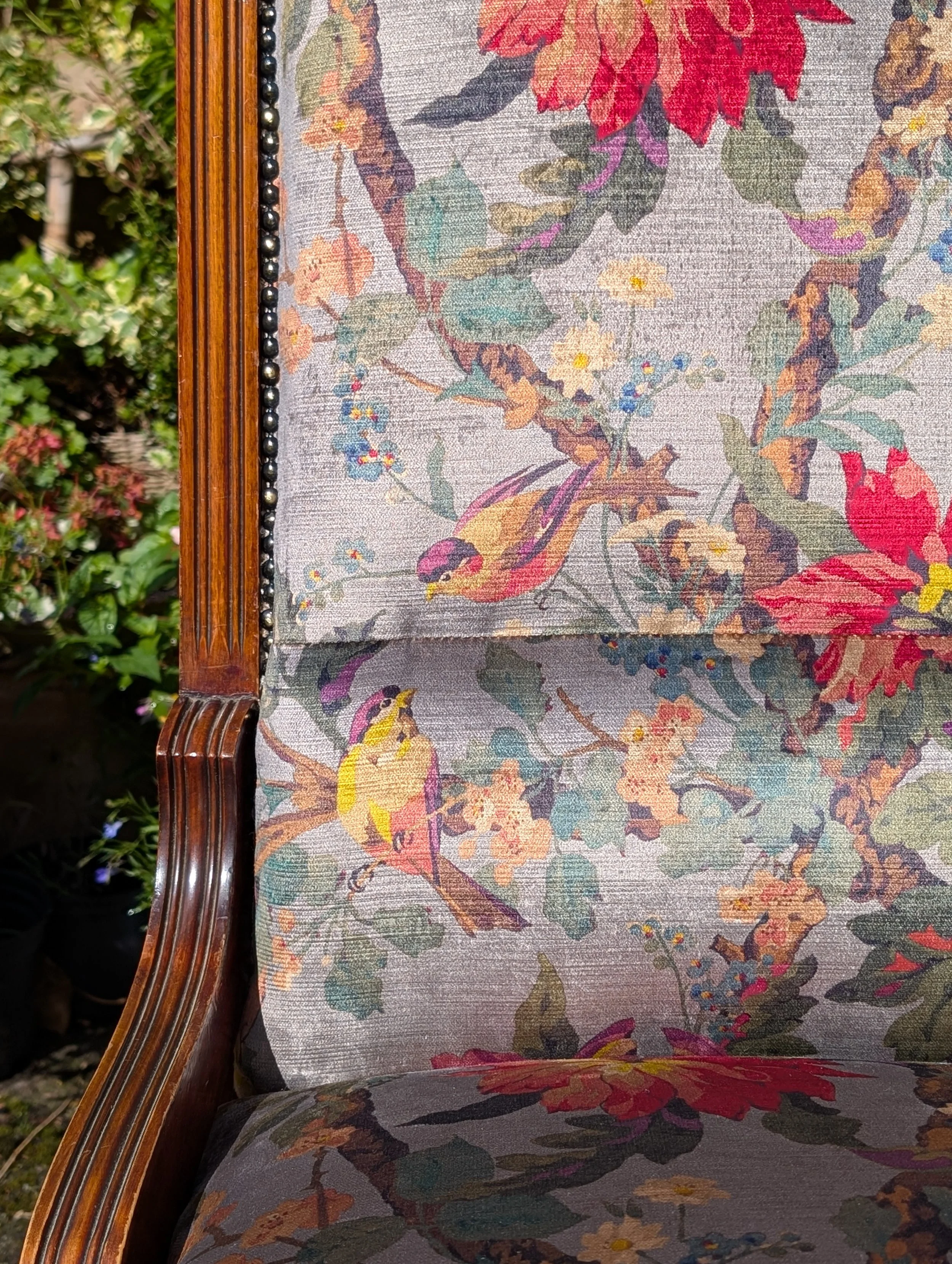
Key questions when choosing your fabric
What will it be used for?
This will ascertain whether it will be a ‘high traffic’ or occasional piece. You can also understand whether it will be for commercial, domestic, outdoor or indoor use.
Where will it be used?
This will help understand what room or environment it will be used in. For example a conservatory will be exposed to high levels of UV light compared to a shaded part of a spare bedroom.
Who will be using it?
For example, a home with children and/or pets will require different considerations to those without.
What is the story behind the piece of furniture?
Knowing the history of the furniture, who it belonged to, who it reminds the customer of, where it originated from, when it was manufactured and purchased can help with design decisions and make the piece truly personal for the customer.
Do you have a budget in mind?
Fundamentally it’s important to set high level expectations around cost prior to providing an estimate so there are no surprises further into the process.
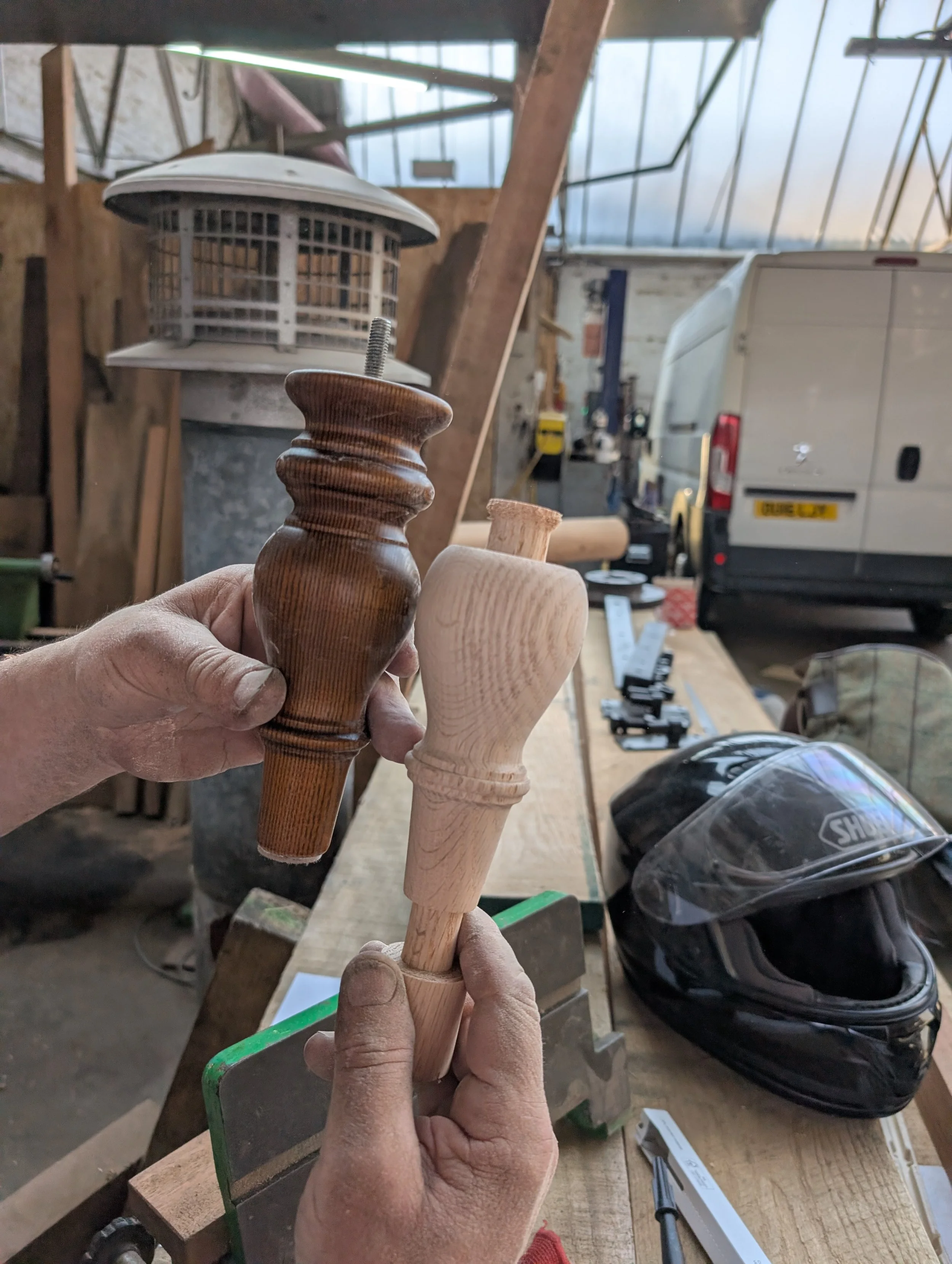
other services
We can also provide:
local pick up and delivery
basic frame and structural repairs
colour matching
digital fabric visualisation for your chosen pieces
matching scatter cushions
costs
We aim to keep our costs as clear and transparent as possible. Our basic estimates are broken down as follows:
labour - the time it takes to strip, assess, reupholster and cover your project.
materials - the cost of everything that
goes under the final layer of fabric such as springs, stuffing and sundries like twine, thread, tacks etc.
fabric - we will include the quantity required in metres in your estimate.
Other items such as collection and delivery, new castors or cleaning and staining wooden frames are itemised separately under labour and materials.
what do we mean by an estimate?
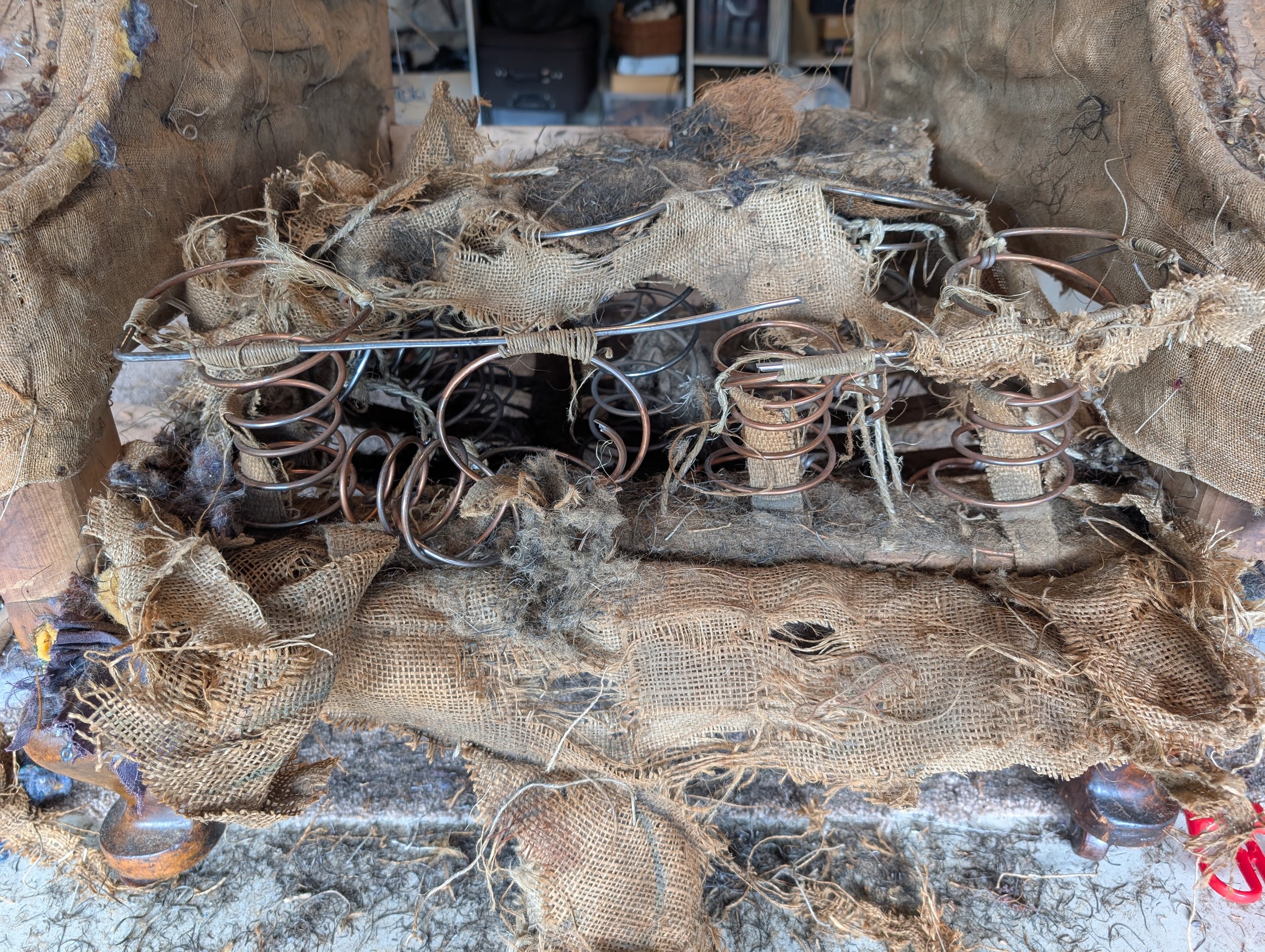
The challenge in quoting an upholstery job is that it’s difficult to know exactly what’s going under the surface. Our experience takes us some way, but without stripping a chair to take a proper look inside, it’s harder to identify if a frame is split, a spring is broken or the spring canvas has deteriorated.
This is why we estimate our work.
In order to give you piece of mind we are transparent as possible, meaning:
if any major repairs or unknown damage is found once we strip a piece of furniture, we will let you know immediately and provide a quote for any additional work required before proceeding any further.
any issues we find with your fabric after an inspection will be reported to you immediately.
other fabric related costs
It’s one of the most important decisions of your project, so, its worth understanding a few, potential, related costs when ordering your fabric:
Pattern Matching - a fabric with a pattern can require around 15-20% more fabric so that we can ensure each panel on a piece of furniture matches up. This can also lead to more waste, but we will always aim to keep this to a minimum. Patterned fabric also adds more labour time to a project.
Client Own Fabric (COF) - if you provide the fabric directly, we charge a minimum inspection fee of £50.00 up to 5 metres then £10.00 per metre there after. This covers the inspection time and risks associated with handling unknown fabrics.
UK Fire Safety Regulations - these regulations are designed to reduced fire risks from domestic upholstered furniture and apply to re-upholstery services. Fabrics must be inherently fire-resistant, chemically treated or protected by a fire resistant ‘barrier cloth’. The latter two adds an additional cost to the project. (But don’t worry, we can guide you through this.)
Delivery fees - carrier cost of delivering your fabric to us.